
Car accidents are no longer just about eyewitness testimony and police reports. In 2026, AI-powered dashcams are transforming how accident claims are investigated, disputed, and resolved. These smart devices don’t just record footage—they analyze behavior, detect hazards, and even assign potential fault in real time.
As more drivers adopt this technology, AI dashcam accident claims are becoming a major factor in insurance decisions and personal injury cases. But while this innovation offers clarity, it also raises new legal questions that drivers must understand.
What Makes AI Dashcams Different?
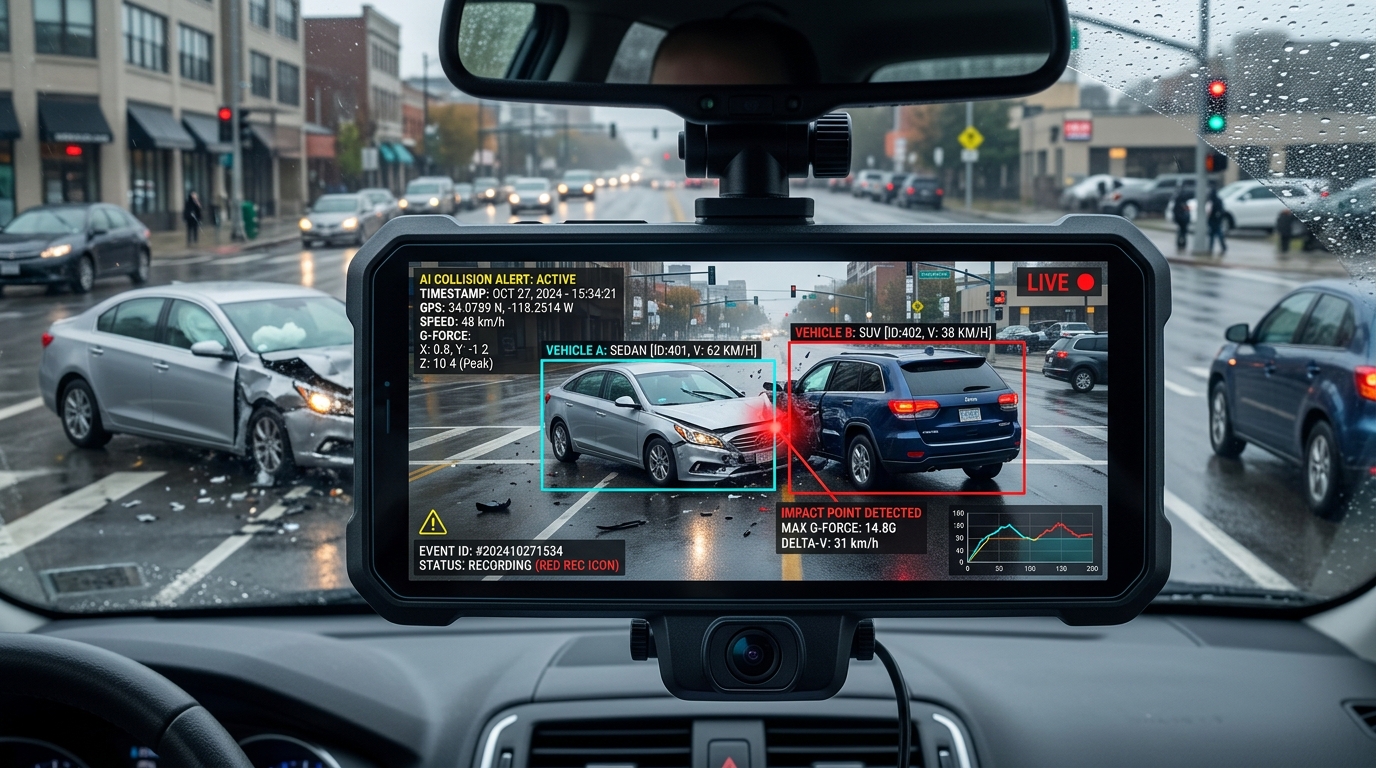
Traditional dashcams simply record video. AI dashcams, however, use advanced algorithms to:
- Detect lane departures and sudden braking
- Identify pedestrians, cyclists, and vehicles
- Analyze driver behavior (e.g., distraction or fatigue)
- Automatically save footage before and after a collision
How AI Dashcam Footage Impacts Accident Claims
1. Stronger Evidence for Liability
AI dashcams can capture precise moments leading up to a crash, including speed, distance, and reaction time. This helps insurers and attorneys determine fault more accurately than relying on conflicting statements.
For example, if a driver runs a red light, AI detection can highlight the violation, making it harder to dispute liability.
2. Faster Insurance Claim Processing
Insurance companies are increasingly using AI-assisted tools to review dashcam footage. This allows for:
- Quicker claim approvals
- Reduced investigation time
- Lower chances of fraud
According to industry insights from
Insurance Information Institute, digital evidence is helping streamline claims processing across the industry.
3. Reduced Fraud and False Claims
Fraudulent accident claims remain a serious issue. AI dashcams help combat this by providing objective, time-stamped video evidence that is difficult to manipulate.
This is especially useful in staged accidents or exaggerated injury claims.
Legal Challenges You Should Know
Privacy Concerns
Recording public roads is generally legal, but audio recording and facial recognition features may raise privacy issues depending on jurisdiction. Drivers should ensure their devices comply with local laws.
Data Ownership and Access
Who owns the footage—the driver, the insurance company, or the dashcam manufacturer? This question is becoming increasingly relevant as insurers request access to footage during claims.
Admissibility in Court
Not all dashcam footage is automatically accepted in court. Factors such as video quality, authenticity, and chain of custody can affect whether the footage is admissible as evidence.

Best Practices for Using AI Dashcams
Install and Position Properly
Ensure your dashcam has a clear view of the road. Poor positioning can reduce the usefulness of footage in a claim.
Maintain Data Backups
Always back up important footage immediately after an accident. Losing critical evidence could weaken your claim.
Understand Your Insurance Policy
Some insurers offer discounts for using dashcams, while others may require footage submission. Review your policy carefully or explore helpful guides on our resources page.
How Lawyers Use AI Dashcam Evidence
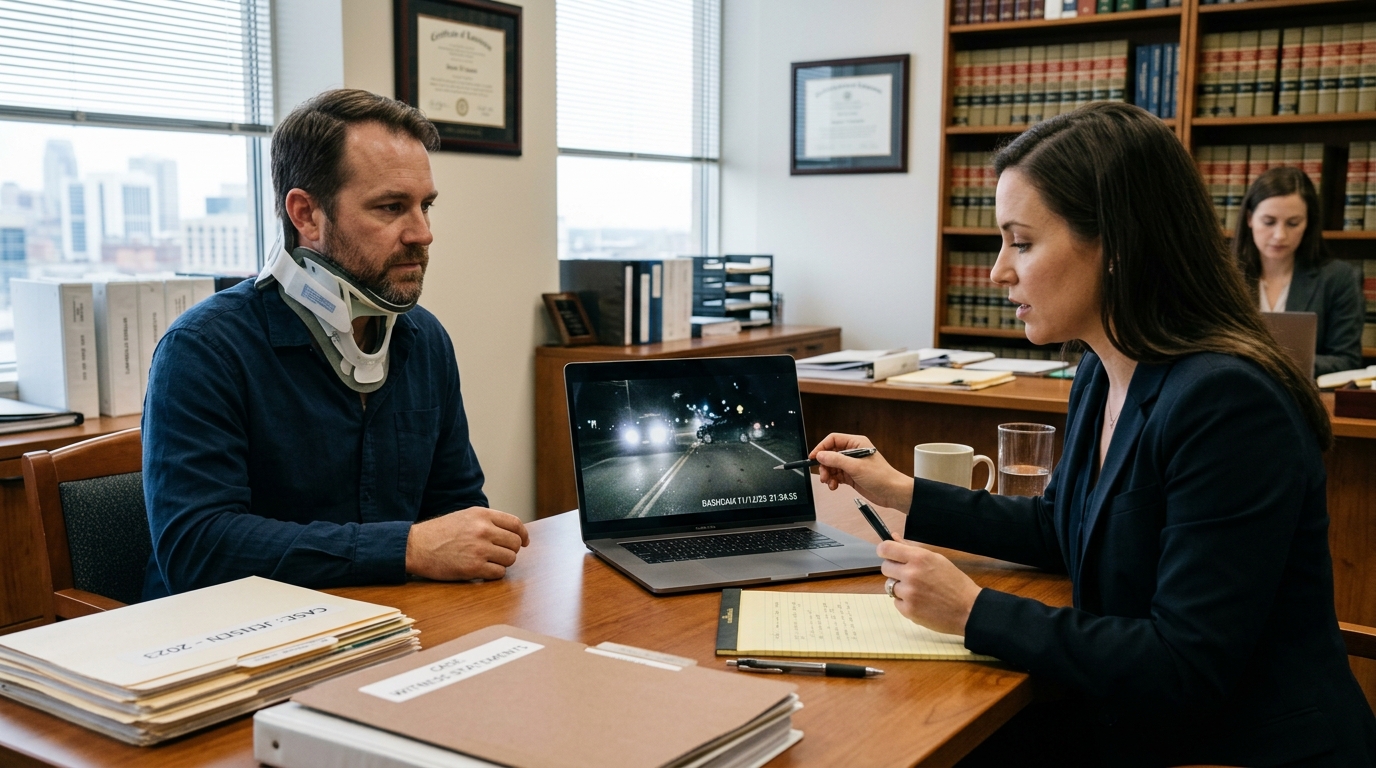
Personal injury attorneys are increasingly relying on AI dashcam footage to:
- Reconstruct accident scenarios
- Challenge opposing claims
- Negotiate higher settlements
If you’ve been involved in a crash, documenting everything—including dashcam footage—can strengthen your legal position. You can also learn more about handling accident claims in our related guide: Car Accident Resources and Guides
Future Trends: What to Expect
The role of AI dashcams is expected to grow rapidly. Future developments may include:
- Real-time accident reporting to emergency services
- Integration with autonomous driving systems
- Enhanced predictive crash prevention
Conclusion
AI dashcams are revolutionizing the way car accident claims are handled in 2026. While they offer powerful evidence and faster claim resolution, they also introduce new legal complexities that drivers must navigate.
If you’re considering installing an AI dashcam—or already have one—understanding how it affects your rights and responsibilities is essential. Staying informed can help you protect yourself, strengthen your claim, and avoid costly mistakes.