AI and Automation Are Changing Workplace Injury Risks
Artificial intelligence and automation are transforming industries, especially in warehouses, manufacturing, and logistics. While these systems improve efficiency, they also introduce new safety concerns. Workers may face risks from robotic machinery, automated vehicles, and AI-controlled equipment that operate with limited human oversight.
Employers are increasingly relying on automation to streamline operations. However, when systems malfunction or are improperly maintained, injuries may occur. These incidents raise complex questions about responsibility and workplace safety standards.
How AI Equipment Can Lead to Workplace Injuries
AI-powered machines can perform repetitive or dangerous tasks. However, accidents may happen due to software errors, mechanical failures, or human interaction with these systems.
Unexpected Machine Movements
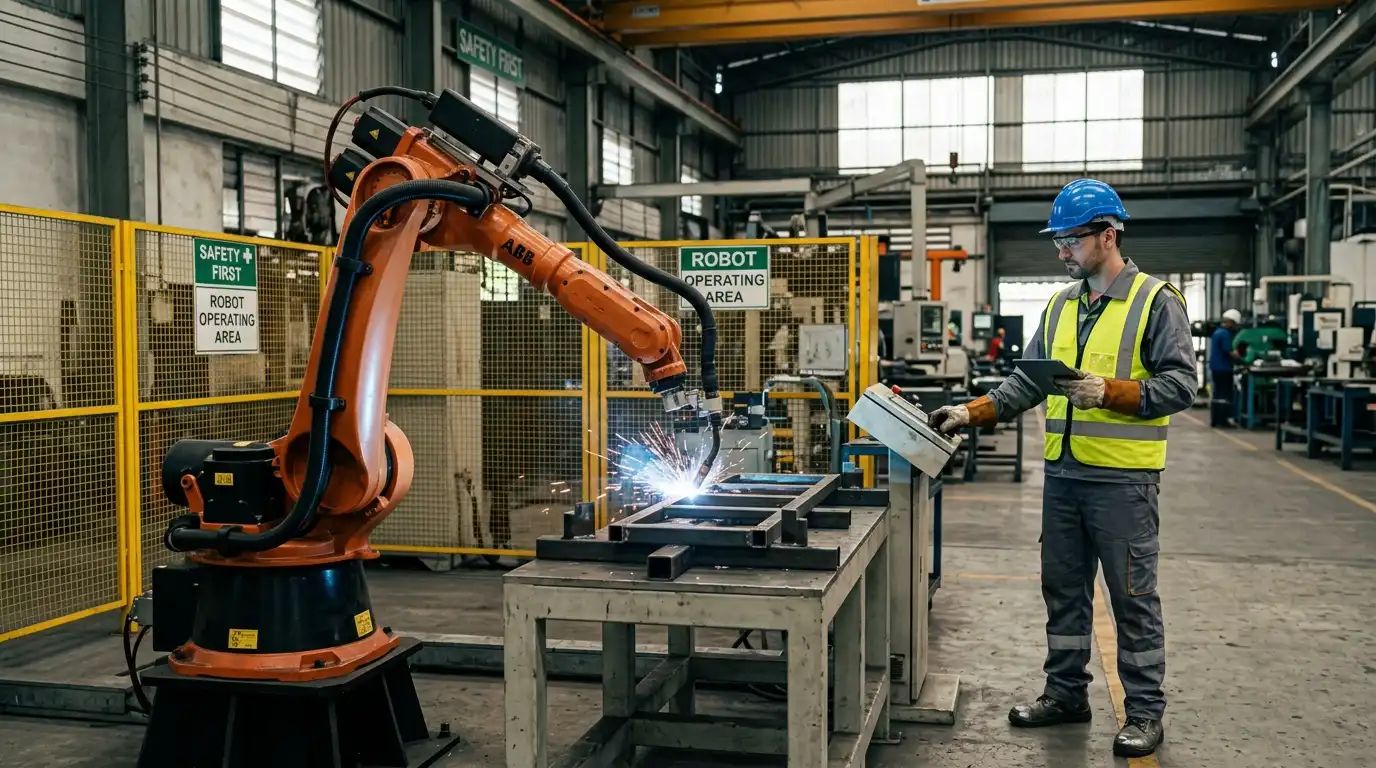
Robotic arms and automated systems may move suddenly if sensors fail or programming errors occur. Workers nearby may be struck or trapped, leading to serious injuries.
Human and Machine Interaction Risks
Many workplaces require employees to work alongside machines. Without proper safeguards, workers may misjudge a machine’s movement or response time, increasing the risk of injury.
Maintenance and System Errors
Automation systems require regular updates and maintenance. A failure to properly maintain equipment may result in unexpected shutdowns or dangerous malfunctions.
Industries Most Affected by Automation Injuries
Some industries are more likely to experience injuries involving AI and automation:
- Warehousing and logistics operations
- Manufacturing plants using robotics
- Construction sites with automated equipment
- Healthcare facilities using robotic tools
For more insights into workplace hazards, visit our Workplace Injuries category.
Who May Be Responsible for AI Workplace Injuries
Determining responsibility in AI-related workplace accidents may be complex. Multiple parties may be involved depending on the situation.
Employer Responsibility
Employers are expected to maintain safe working conditions. This may include training workers, maintaining equipment, and ensuring safety protocols are followed.
Equipment Manufacturers
If a machine has a design flaw or defect, the manufacturer may share responsibility. This may apply if the equipment fails under normal operating conditions.
Software Developers
In some cases, errors in AI programming may contribute to accidents. Liability may depend on how the software was designed and implemented.
Steps Workers Can Take After an Automation-Related Injury
If a workplace injury involves AI or automated equipment, certain steps may help document the situation:
Report the Incident Immediately
Notify a supervisor or safety officer as soon as possible. Prompt reporting may help preserve important details about the incident.
Seek Medical Attention
Medical evaluation is essential even if injuries appear minor. Documentation of injuries may be important later.
Document the Scene
If possible, take photos or note details about the equipment involved, including any visible issues or malfunctions.
Review Workplace Policies
Understanding company safety protocols may help clarify whether procedures were followed properly.
External Safety Standards and Regulations
Organizations such as the
Occupational Safety and Health Administration (OSHA)
provide guidelines for workplace safety. These standards may apply to environments using automated systems.
Additionally, research from
NIOSH
explores emerging risks related to automation and worker safety.
Why Automation Safety Is Becoming a Legal Focus
As workplaces continue to adopt AI technologies, legal frameworks are evolving. Courts and regulators are examining how traditional safety laws apply to modern systems.
Employers may need to adapt policies to address new risks. Workers may also need to understand how these technologies affect their rights and responsibilities.
Conclusion
AI and automation may improve efficiency, but they also introduce new workplace risks. Understanding how injuries occur and who may be involved is essential in today’s evolving work environment.