
Distracted driving accident claims are becoming more important as drivers rely on phones, touchscreens, navigation apps, voice assistants, and driver-assist features behind the wheel. A distracted driver may only look away for a second, but that moment can be enough to cause a rear-end crash, lane drift, sideswipe, pedestrian collision, or multi-vehicle accident.
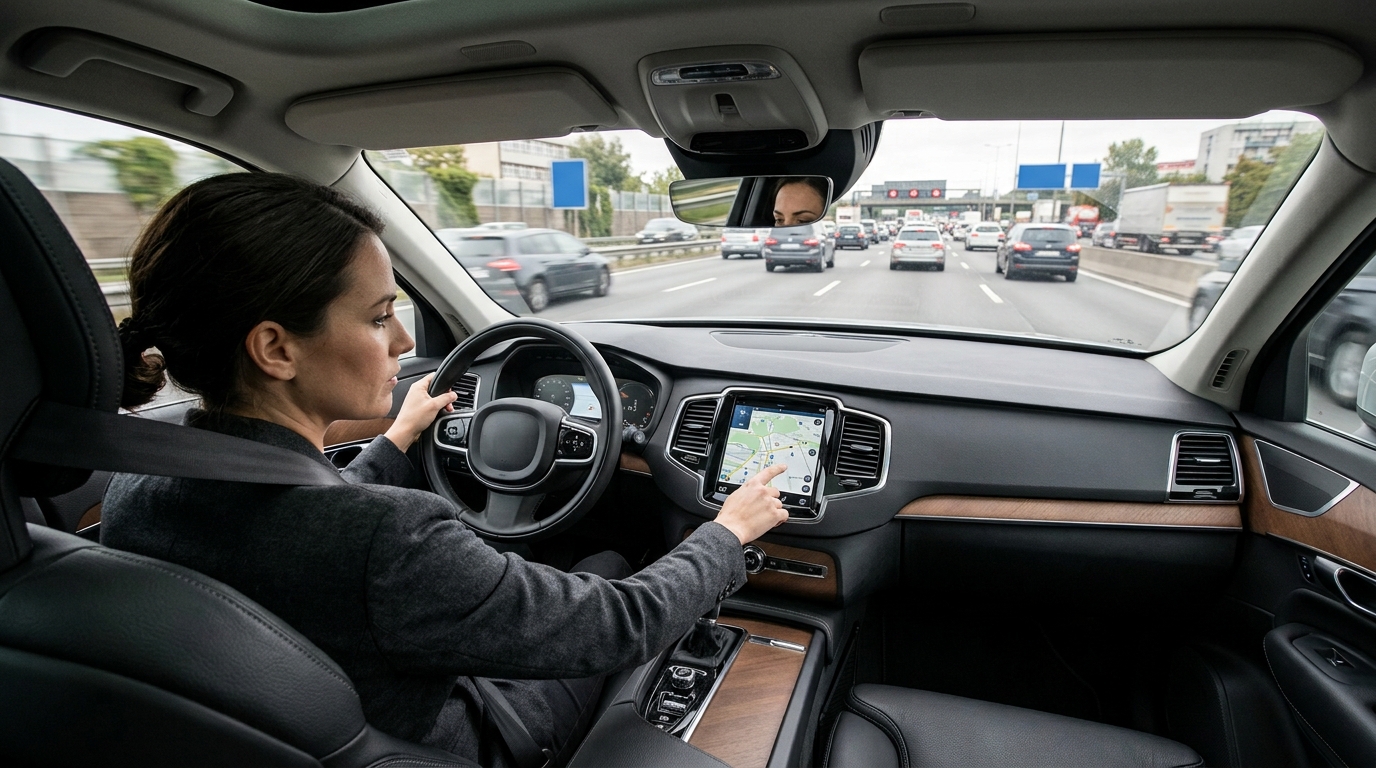
Many people still think distracted driving only means texting. In reality, distraction can involve anything that takes a driver’s eyes, hands, or attention away from the road. That includes scrolling through a phone, watching a short video, changing music, typing an address into a navigation app, adjusting a large vehicle screen, eating, grooming, reaching for an object, or talking with passengers.
What Is A Distracted Driving Accident Claim?
A distracted driving accident claim is a legal or insurance claim that argues a driver caused a crash because they were not paying proper attention. The claim may involve property damage, medical bills, lost income, pain and suffering, and other losses connected to the collision.
These cases often depend on proof. A driver may deny using a phone or looking away from the road. Insurance companies may argue that the crash happened because of traffic, weather, sudden braking, or shared fault. That is why evidence matters. Phone records, witness statements, dashcam video, vehicle data, traffic camera footage, and accident reconstruction may help show whether distraction played a role.
If the crash involved a rear-end collision, distraction may overlap with following too closely or failing to stop in time. You can learn more about that issue in this related guide on Understanding Rear-End Liability.
Why Screens Are A Growing Crash Risk
Modern vehicles are filled with screens. Many cars now place navigation, climate controls, music, phone calls, camera views, and vehicle settings inside one digital interface. These features may be convenient, but they can also create risk when drivers look down, tap through menus, or mentally focus on the screen instead of traffic.
Distracted driving can be visual, manual, or cognitive. Visual distraction happens when a driver looks away from the road. Manual distraction happens when a driver takes one or both hands off the wheel. Cognitive distraction happens when the driver’s mind is focused on something other than driving. Touchscreens and phones can create all three types at the same time.
Phone Use Is Still A Major Concern
Phones remain one of the clearest causes of distracted driving. Texting, checking notifications, using social media, recording videos, browsing playlists, or reading messages can all delay reaction time. Even hands-free phone use may divide a driver’s attention, especially in heavy traffic or high-speed conditions.
For official safety information, visit the NHTSA distracted driving guide. NHTSA also runs its Put the Phone Away or Pay campaign to warn drivers about the legal and safety consequences of distraction.
In-Car Technology Can Also Distract Drivers
Not every distraction comes from a handheld phone. Built-in screens, infotainment systems, navigation menus, and driver-assist alerts can also pull attention away from the road. A driver may be looking at the dashboard, but still fail to see stopped traffic, a pedestrian, or a vehicle changing lanes.
The Insurance Institute for Highway Safety explains that distracted driving includes more than electronic gadgets. It may also include adjusting controls, eating, drinking, reading, grooming, or interacting with passengers.
Common Crashes Caused By Distracted Driving
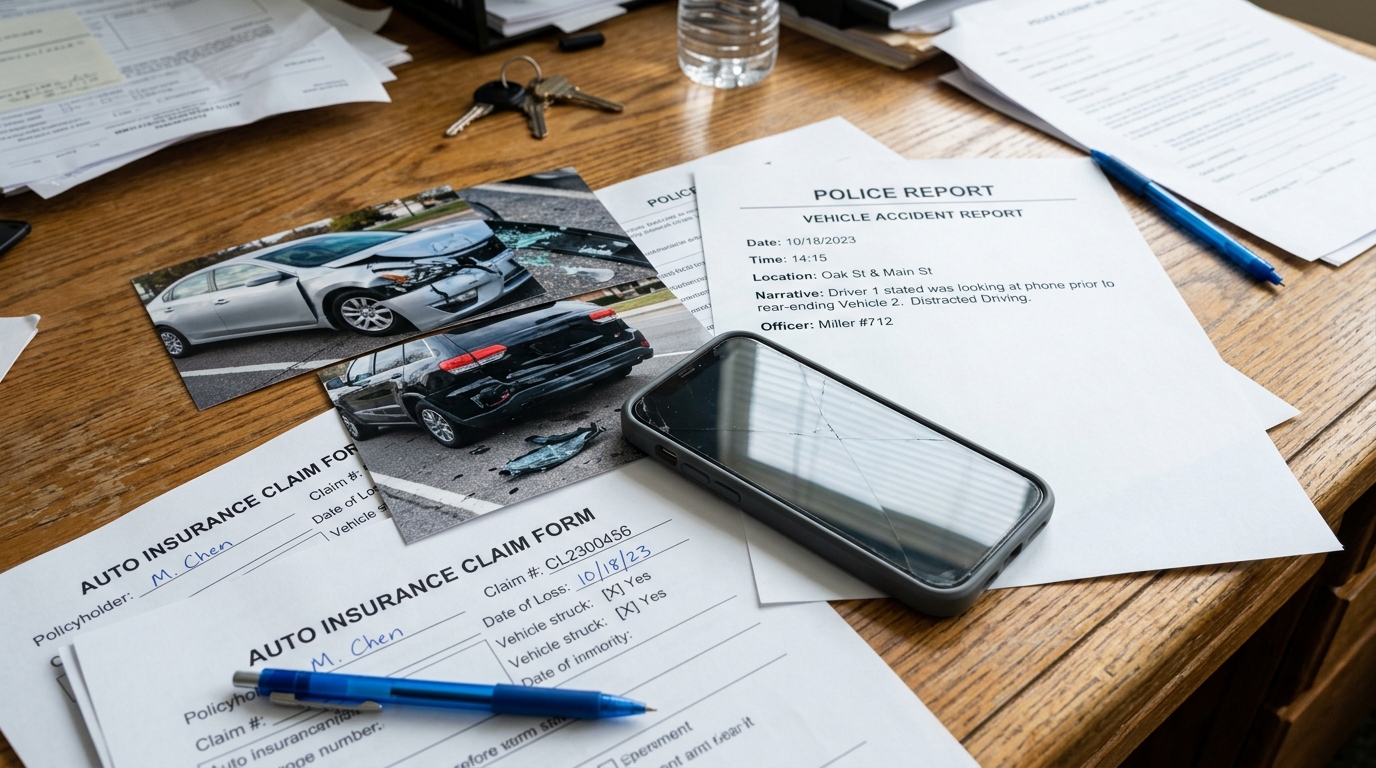
Distracted driving can cause many types of crashes. A driver who looks down at a phone may fail to notice stopped traffic and cause a rear-end collision. A driver adjusting a touchscreen may drift into another lane and sideswipe another vehicle. A driver watching a video or typing into a navigation app may miss a red light or stop sign.
Rear-End Collisions
Rear-end accidents are common in distracted driving cases because the distracted driver may not brake in time. If traffic slows suddenly, even a short delay can cause a crash. The distracted driver may blame the front driver for stopping too quickly, but phone records, dashcam footage, and witness statements may show the real issue was inattention.
Intersection Accidents
Intersections require careful attention. Drivers must watch traffic lights, signs, pedestrians, cyclists, and turning vehicles. A distracted driver may enter the intersection late, turn without checking, or fail to yield.
Lane-Change And Sideswipe Accidents
A driver who looks away may drift out of their lane or fail to check blind spots. These crashes can be especially dangerous on highways, where higher speeds leave less time to correct a mistake.
Why Small Distractions Can Cause Major Harm
A distraction does not have to last long to be dangerous. At roadway speeds, a vehicle can travel a significant distance in just a few seconds. If the driver’s eyes are on a phone or screen during that time, they may not react until it is too late.
Evidence That May Help Prove Distracted Driving
Evidence is often the key issue in distracted driving accident claims. The other driver may admit they were distracted, but many do not. The injured person may need proof that shows what the driver was doing before the crash.
- Police report notes about phone use, statements, or citations
- Witness statements from passengers, pedestrians, or nearby drivers
- Photos of the crash scene, skid marks, traffic lights, and vehicle damage
- Dashcam footage or nearby surveillance video
- Phone records showing calls, texts, or app activity around the crash time
- Vehicle data from onboard systems, if available
- Insurance claim communications and repair estimates
- Medical records connecting injuries to the crash
Some newer claims may also involve video or smart-device evidence. If the crash was recorded by an AI-enabled camera, this may connect with issues discussed in AI Dashcam Footage in Car Accident Claims.
What To Do After A Distracted Driving Crash
Call 911 And Get Medical Care
Report the crash and request help if anyone is injured. Even if symptoms seem minor, medical evaluation can document injuries and identify problems that may appear later.
Document The Scene
Take photos of vehicle damage, road conditions, traffic signals, debris, skid marks, and visible injuries. If it is safe, record the location of nearby cameras or businesses that may have footage.
Get Witness Information
Witnesses may have seen the other driver looking down, holding a phone, drifting, or failing to brake. Their statements can be important if the driver later denies distraction.
Preserve Digital Evidence
Save dashcam clips, photos, messages, and insurance communications. Do not edit or delete evidence. If phone records may be important, a legal professional may help determine how to request or preserve them properly.
How Fault May Be Disputed
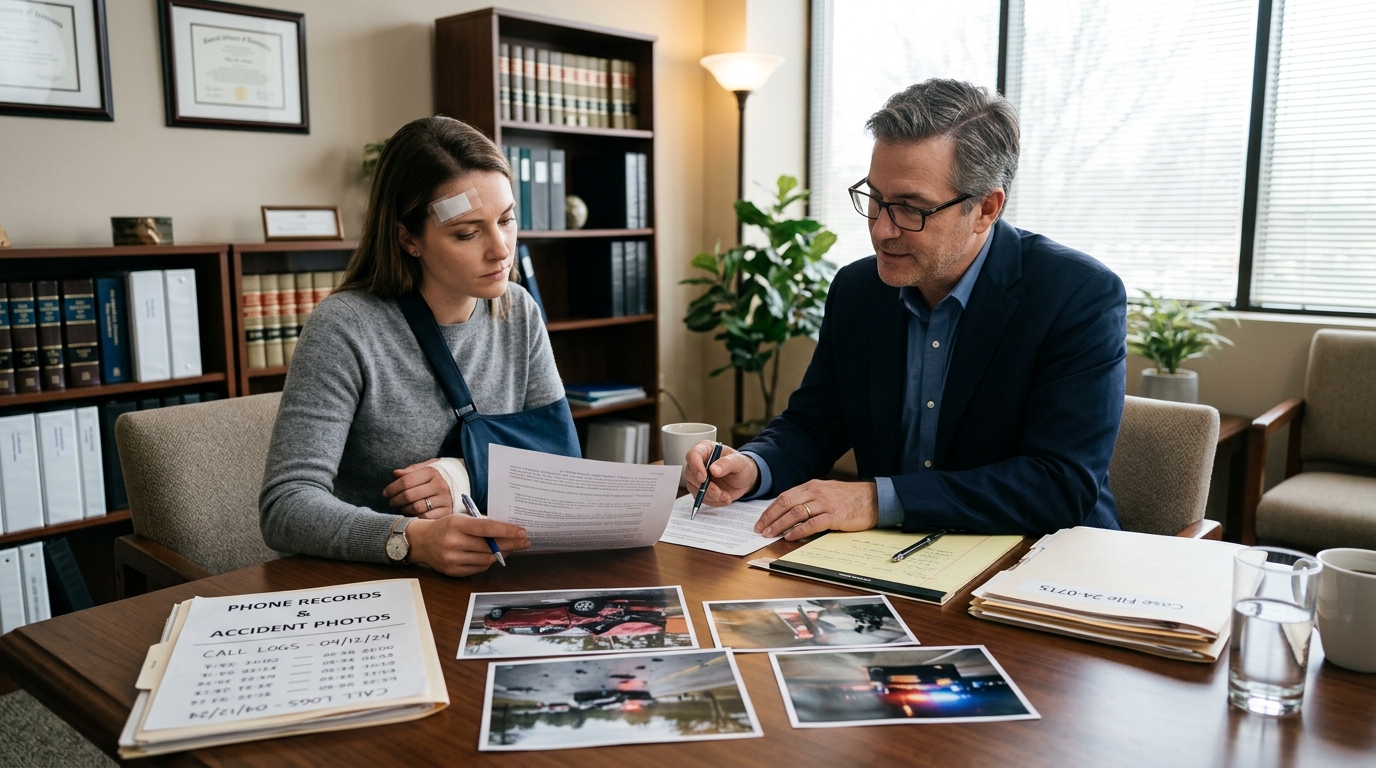
Insurance companies may dispute fault even when distraction seems obvious. They may claim the injured person stopped suddenly, changed lanes unsafely, failed to signal, or contributed to the crash. In some states, shared fault can affect the amount of compensation available.
A strong claim usually explains not only that the other driver was distracted, but also how that distraction caused the collision. For example, a claim may show that the distracted driver failed to brake, missed a traffic signal, crossed a lane line, or did not respond to a hazard that a careful driver should have seen.
Final Thoughts
Distracted driving accident claims are likely to remain a major issue as phones, touchscreens, and in-car technology become part of everyday driving. These tools may be useful, but they can also create dangerous moments when drivers stop giving the road their full attention.
If you were hurt in a crash and believe distraction played a role, start with medical care, documentation, and evidence preservation. Then review your legal options so you understand how liability, insurance, and proof may affect your claim.
For more car accident resources, visit the Car Accidents category.