
Recent California legislation introduced additional safety requirements for electric bicycles, batteries, and essential equipment. Meanwhile, questions about rider classification, traffic violations, and financial responsibility continue to affect personal injury claims.
Understanding these rules helps injured riders recognize their rights and responsibilities. It also helps drivers understand how liability may arise when sharing roads with electric bicycles.
This guide explains California’s updated e-bike requirements, common accident injuries, insurance issues, and practical steps to take after a collision.
For related information about vehicle crashes, explore the car accident legal guides available at injury.wiki.
California E-Bike Accident Laws in 2026: New Rules and Safety Requirements
California recognizes three primary electric bicycle classes. Their classification depends on motor operation and the speed at which assistance stops.
Class 1 electric bicycles provide assistance only while the rider pedals, with assistance ending at 20 miles per hour. A Class 2 bicycles may use a throttle, but motor-powered propulsion must stop at 20 miles per hour.
Class 3 bicycles provide pedal assistance up to 28 miles per hour and are subject to additional operating requirements.
These classifications matter because not every motorized two-wheeled vehicle qualifies as a legal electric bicycle. Higher-powered or modified vehicles may fall under different motor vehicle regulations.
Important California Electric Bicycle Safety Changes
Several developments have made electric bicycle safety particularly relevant in 2026. California introduced equipment requirements and strengthened standards addressing batteries and related components.
Additionally, state officials have warned that improperly modified electric bicycles can create serious safety and legal problems.
Rear Reflectors and Lighting Requirements
Assembly Bill 544 updated California’s electric bicycle equipment requirements beginning January 1, 2026.
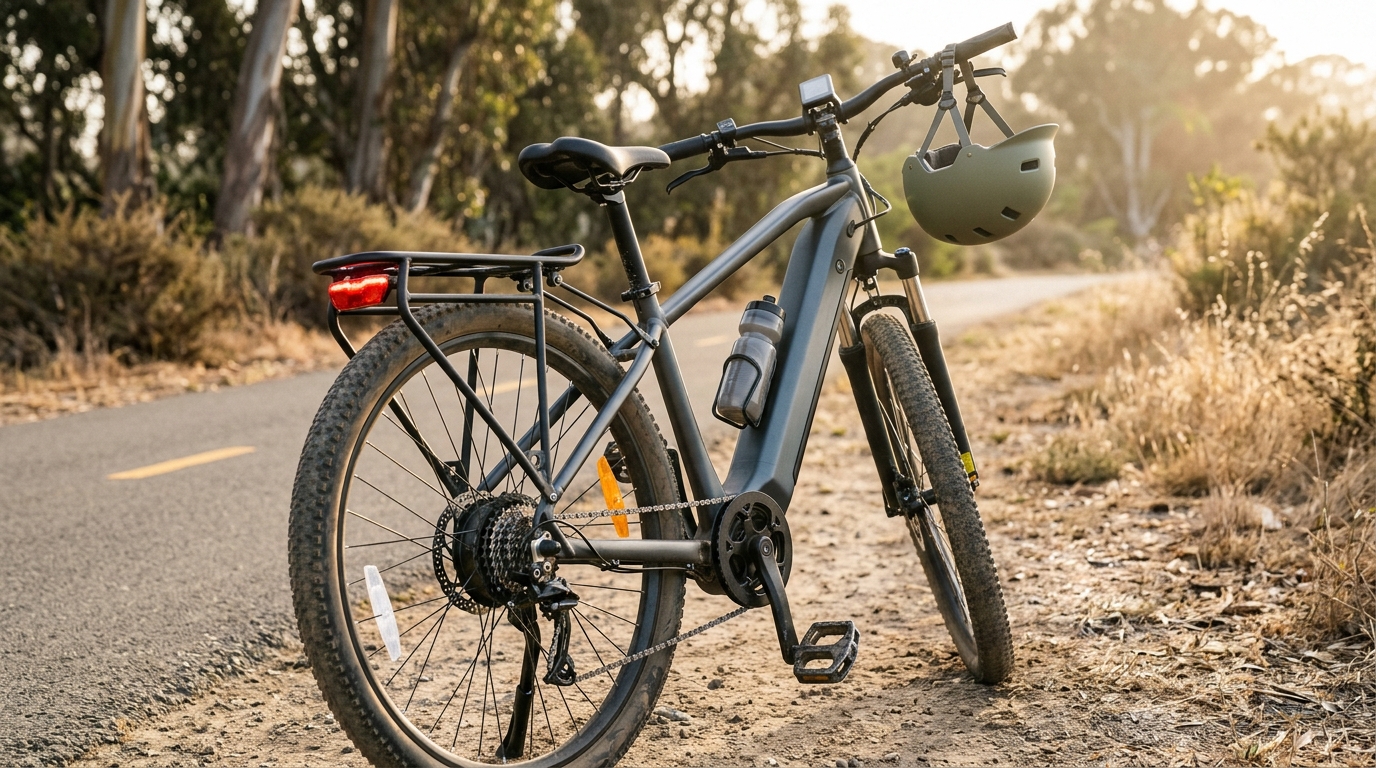
Electric bicycles must have a red reflector or a solid or flashing red rear light incorporating a reflector during all operating hours. Previously, the relevant rear lighting requirement focused on darkness.
This change emphasizes visibility during daytime and nighttime travel.
For example, a vehicle approaching an electric bicycle from behind may benefit from better visibility of the bicycle’s rear equipment. However, a reflector alone does not prevent every collision.
Riders should routinely inspect their lights, reflectors, tires, and brakes. They should also make sure installed equipment remains secure and functional.
Although a traffic equipment violation may become relevant to an accident investigation, it does not automatically establish which person legally caused a crash.
Battery Safety and Electric Bicycle Classification
Senate Bill 1271 introduced additional safety standards affecting electric bicycles, powered mobility devices, and related lithium-ion batteries.
Beginning January 1, 2026, specified products and components must meet applicable testing and certification requirements. These provisions address potential fire hazards and electrical safety concerns.
Consumers should purchase compatible batteries and chargers, follow manufacturer instructions, and avoid charging damaged battery packs.
Likewise, riders should understand the legal classification of their bicycles before modifying motor controls or speed settings.
In an April 2026 consumer alert, the California Attorney General emphasized that vehicles exceeding the statutory assistance limits may not qualify as electric bicycles.
A modified vehicle could instead be classified as a moped or motorcycle, bringing additional operating, licensing, and safety obligations.
Consequently, a rider should never assume that a product advertised as an e-bike satisfies California’s legal definition.
Who Is Responsible for a California E-Bike Accident?
Determining liability usually requires examining the conduct of everyone involved. An electric bicycle rider, motorist, pedestrian, or other party may contribute to a collision.
California generally applies negligence principles to personal injury cases. A claimant typically must show that another party owed a duty of care, breached that duty, and caused legally recognized damages.
Drivers may be negligent when they fail to yield, drive while distracted, make unsafe turns, or operate vehicles at unreasonable speeds.
Similarly, cyclists may contribute to accidents by ignoring traffic controls, riding unpredictably, or violating applicable road rules.
For instance, a driver opening a door into a cyclist’s path may create a dangerous situation. Vehicle Code Section 22517 addresses opening vehicle doors when doing so is unsafe.
However, determining fault requires reviewing the specific circumstances rather than relying on assumptions about either road user.
Comparative Negligence and Shared Fault
California generally follows a pure comparative negligence system. Therefore, an injured person’s recoverable damages may be reduced by their percentage of responsibility.
Suppose an injured cyclist establishes $100,000 in damages. If the cyclist is found 20% responsible for the collision, the recoverable amount may be reduced to $80,000 before considering insurance limits and other applicable rules.
This illustration does not guarantee any particular settlement.
Evidence such as traffic camera footage, witness statements, photographs, and vehicle damage can help investigators assess fault.
Digital recordings may also be useful. Our article about AI dashcam footage in accident claims explains how recorded evidence can support investigations and raise questions about authenticity.
Additionally, collisions involving vehicles approaching cyclists from behind may present familiar negligence questions. Learn more in our guide to understanding rear-end accident liability.
Ultimately, shared fault should be evaluated using available evidence and California law.
California E-Bike Injury Claims: Compensation, Insurance, and Legal Options
Electric bicycle crashes can cause significant physical and financial consequences. Unlike occupants of passenger vehicles, cyclists generally lack an enclosed protective structure.
As a result, collisions may involve head trauma, broken bones, spinal injuries, road rash, and damage to joints or soft tissues.
However, injury severity varies considerably. A healthcare professional should evaluate symptoms and determine appropriate treatment.
Injured people may have questions about insurance coverage, settlement value, medical expenses, and applicable legal deadlines.
How to Build and Protect an E-Bike Personal Injury Claim
A strong claim depends on reliable documentation and a clear explanation of how the accident caused the alleged injuries.
Claimants should preserve relevant evidence, follow appropriate medical recommendations, and maintain organized financial records.
Medical Expenses, Lost Wages, and Pain and Suffering
Potential compensation after a California electric bicycle accident may include economic and noneconomic damages.
Economic damages address measurable financial losses. Examples include:
- Emergency treatment and hospital expenses.
- Diagnostic tests, surgery, and rehabilitation.
- Reasonably necessary future medical care.
- Lost income during injury recovery.
- Reduced future earning capacity.
- Repair or replacement of damaged property.
Noneconomic damages may address physical pain, emotional distress, and loss of enjoyment of life when legally recoverable.
Nevertheless, compensation depends on the evidence, liability findings, available defendants, and applicable legal restrictions.
Insurance coverage also requires careful review. An at-fault driver’s automobile liability policy may cover injuries caused by negligent driving, subject to its terms and limits.
By contrast, an injured cyclist should not assume their own automobile uninsured or underinsured motorist coverage automatically applies to every bicycle accident. Coverage can depend on policy wording and California law.
Some claims may also involve homeowners insurance, commercial policies, or other coverage. Each possibility requires an individual assessment.
Furthermore, insurance policy limits do not necessarily equal the total value of the injured person’s damages.
When losses exceed available coverage, identifying additional legally responsible parties may become important.

Steps to take immediately after an accident
First, move to a safer location when possible without creating further danger. Contact emergency services when someone is seriously injured or immediate assistance is necessary.
Second, seek appropriate medical attention. Some injuries, including certain head injuries, may not produce obvious symptoms immediately.
Third, preserve photographs of the bicycle, vehicles, intersection, traffic signals, and surrounding conditions.
Fourth, obtain contact information from involved parties and witnesses. If law enforcement responds, record the relevant report details.
Fifth, preserve the electric bicycle in its post-accident condition when a mechanical failure or product defect may have contributed to the crash.
Avoid repairing, modifying, or disposing of potentially important components before documenting them. This is particularly important when the battery, motor, brakes, or other equipment might be relevant.
Finally, keep receipts, medical records, employment documents, and insurance correspondence together.
These records can help explain both the circumstances of the collision and the resulting losses.
What if a defective e-bike caused the injury?
Not every electric bicycle injury results from a collision with another vehicle. Some incidents may involve defective brakes, electrical systems, battery failures, or other product problems.
Depending on the circumstances, product liability principles may apply to manufacturers, distributors, or other responsible parties.
However, a product malfunction does not automatically prove a legally actionable defect. Technical evidence may be necessary to determine whether the product was defective and whether that defect caused the injury.
For this reason, preserving the bicycle, charging equipment, receipts, and maintenance history can be valuable.
How long do you have to file an e-bike injury lawsuit?
California Code of Civil Procedure Section 335.1 generally establishes a two-year statute of limitations for many personal injury lawsuits.
However, exceptions can change the deadline. Claims involving public entities may require an administrative claim within a much shorter period, commonly six months for personal injury claims.
Other rules may apply to minors and particular circumstances. Therefore, injured people should not assume that every accident carries the same filing deadline.
Importantly, negotiating with an insurance company does not necessarily suspend the time available to file a lawsuit.
How can riders reduce accident risks?
Riders can improve safety by wearing appropriately fitted helmets, using visible equipment, maintaining their bicycles, and following traffic controls.
They should also avoid distracted riding and choose routes appropriate for their experience and bicycle classification.
Motorists can contribute by checking blind spots, allowing safe passing space, and watching carefully for cyclists before turning or opening doors.
For verified updates about California’s electric bicycle safety requirements, consult the California Highway Patrol’s 2026 public safety law announcement.
Frequently asked questions
Can an e-bike rider receive compensation after a car accident?
Yes, potentially. Compensation depends on proving liability, establishing damages, and identifying legally available recovery sources.
Are helmets required for California electric bicycle riders?
Helmet requirements depend on age, e-bike classification, and potentially applicable local pilot-program rules. California generally requires helmets for riders under 18 and for all Class 3 riders.
Can an electric bicycle rider share fault for a collision?
Yes. California’s comparative negligence principles may reduce compensation when an injured rider contributed to the accident.
Does a traffic violation automatically eliminate an injury claim?
No. A violation may affect the negligence analysis, but its relationship to the collision and the available evidence still matter.
Final thoughts
California e-bike accident laws in 2026 reflect growing attention to electric bicycle safety, equipment standards, and responsible road use.
New rules can influence accident investigations, but they do not automatically determine civil liability or compensation.
Understanding bicycle classification, preserving evidence, seeking medical care, and reviewing applicable insurance coverage can help injured people make informed decisions.
When a serious injury, disputed fault, or potential product defect complicates a claim, advice from a qualified California attorney may help clarify available legal options.
Disclaimer: This article provides general educational information as of October 2026 and does not constitute individualized legal advice.