
Rear-end collisions are among the most common types of car accidents on the road today. Whether it happens in slow-moving traffic or at high speeds, these incidents often raise one important question: who is at fault? Understanding rear-end accident liability is essential if you’ve been involved in a crash or want to protect yourself legally and financially.
In most cases, the driver who hits the vehicle in front is presumed to be at fault. However, exceptions exist depending on the circumstances. If you’re exploring more cases under this category, visit our Car Accidents section for more insights.
What Is Rear-End Accident Liability?
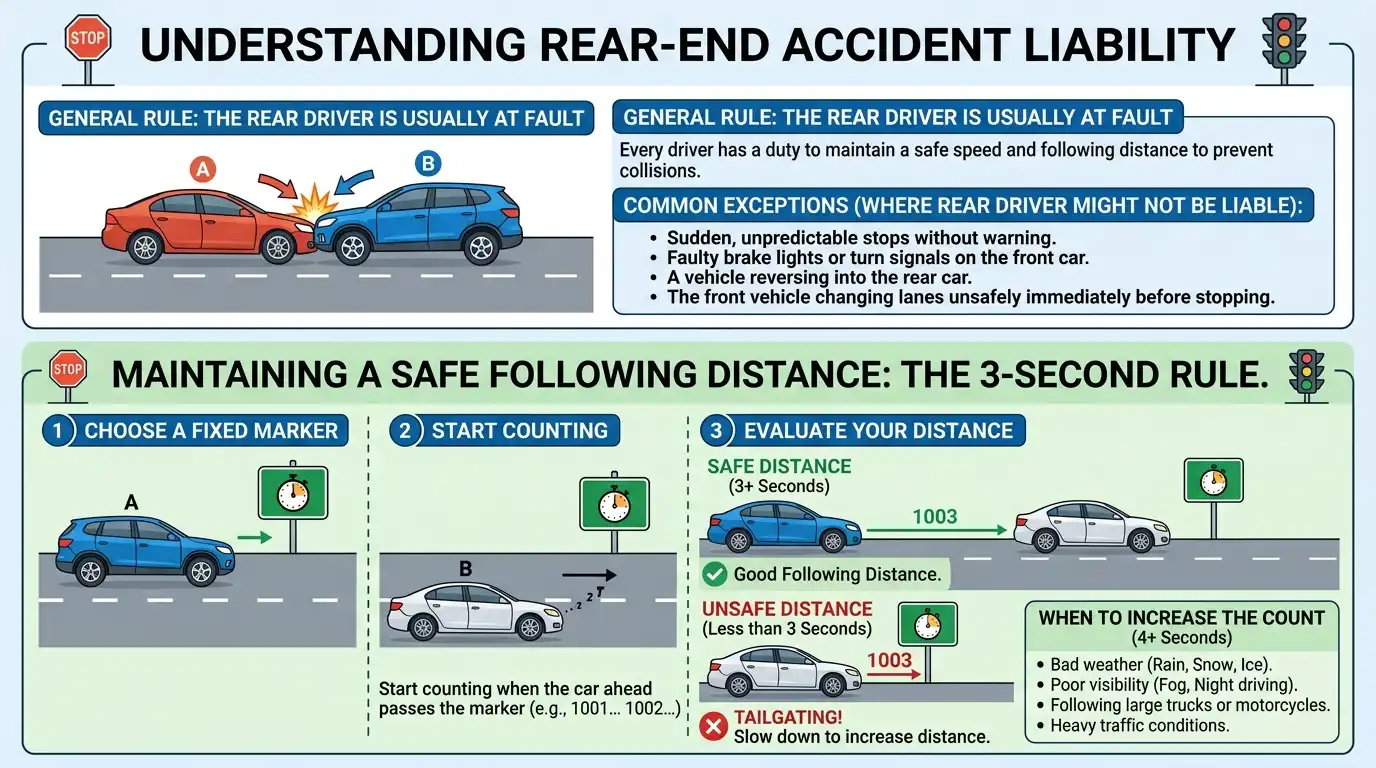
Rear-end accident liability refers to the legal responsibility assigned to a driver who causes a collision by hitting the vehicle in front. Traffic laws require drivers to maintain a safe following distance and remain attentive at all times.
When a driver fails to do so—whether due to distraction, speeding, or poor judgment—they are typically considered negligent. Negligence plays a key role in determining fault across many types of personal injury cases.
Why the Rear Driver Is Usually at Fault
The reasoning is simple: drivers must be able to stop safely without hitting the vehicle ahead. Common causes include:
- Following too closely (tailgating)
- Distracted driving
- Speeding
- Failure to adjust to traffic conditions
Legal responsibility in accidents often overlaps with other injury cases. For example, workplace-related injuries follow different rules—learn more in our guide on Worker’s Comp Basics.
Exceptions to Rear-End Liability
While the rear driver is often at fault, certain situations may shift or share liability.
Sudden or Unsafe Stops
If a driver suddenly brakes without a valid reason, they may share responsibility for the accident.
Faulty Brake Lights
If brake lights are not working, the rear driver may not have adequate warning, potentially shifting liability.
Reversing Vehicles
If a vehicle reverses into another, the reversing driver is typically at fault.
Multi-Vehicle Collisions
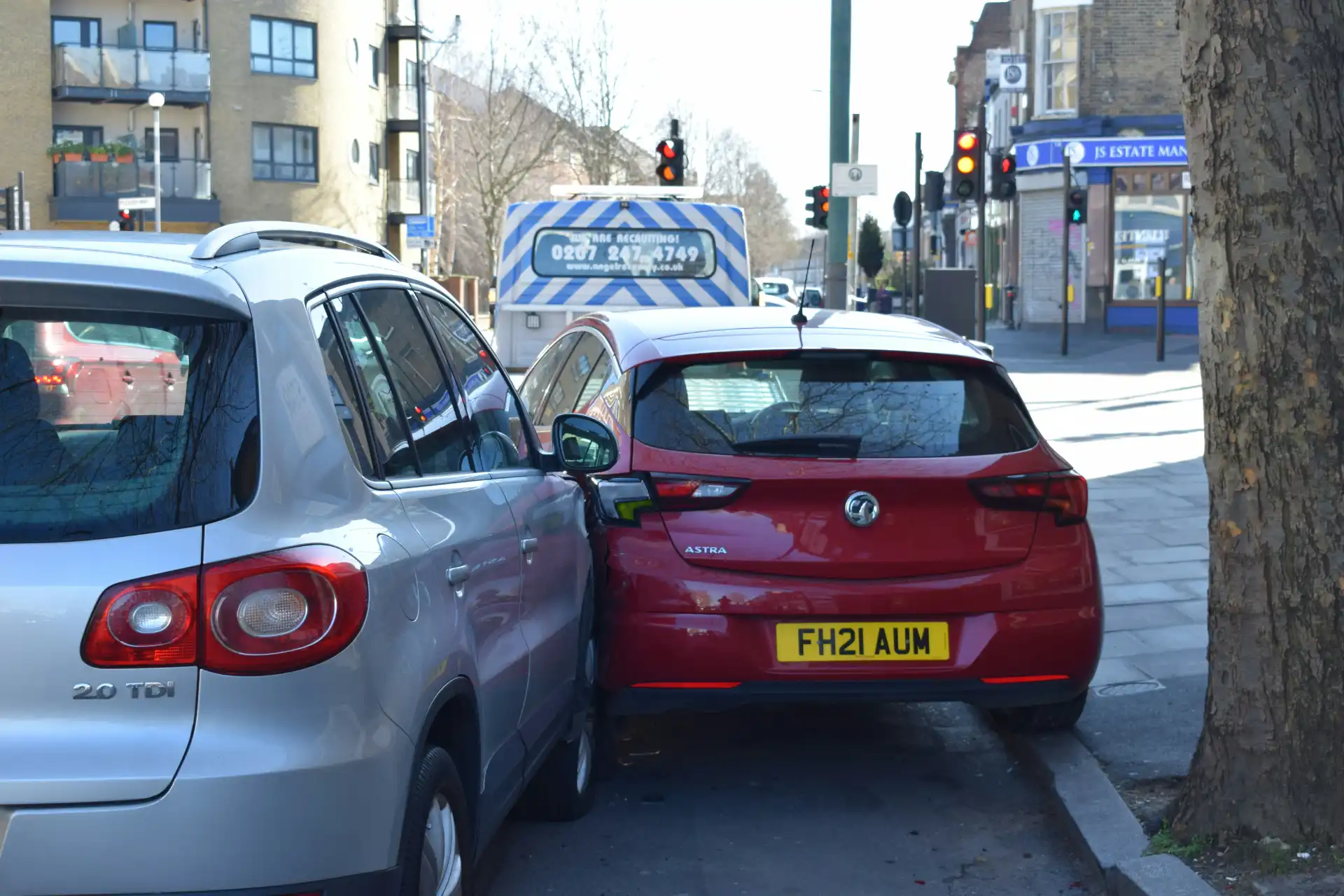
Chain-reaction crashes can complicate liability. In these cases, fault may involve multiple drivers.
Common Causes of Rear-End Accidents
Understanding the causes can help prevent accidents and strengthen your case if one occurs.
- Distracted Driving: Using phones or adjusting controls
- Speeding: Reduced reaction time
- Weather Conditions: Slippery roads increase stopping distance
- Fatigue: Slower reaction time
Different types of injury claims can arise from accidents. In more complex cases involving medical negligence after a crash, you may also explore your rights in our article on Surgical Error Rights.
What to Do After a Rear-End Collision
Taking the right steps after an accident can protect your rights and improve your chances of receiving compensation.
1. Check for Injuries
Ensure safety and call emergency services if needed.
2. Document the Scene
Take photos and gather evidence.
3. Exchange Information
Collect contact and insurance details.
4. Report the Accident
Notify authorities and your insurance provider.
5. Seek Medical Attention
Even minor injuries should be evaluated.
For more legal guidance on accident-related claims, continue browsing our Car Accidents category.
Comparative Fault Explained
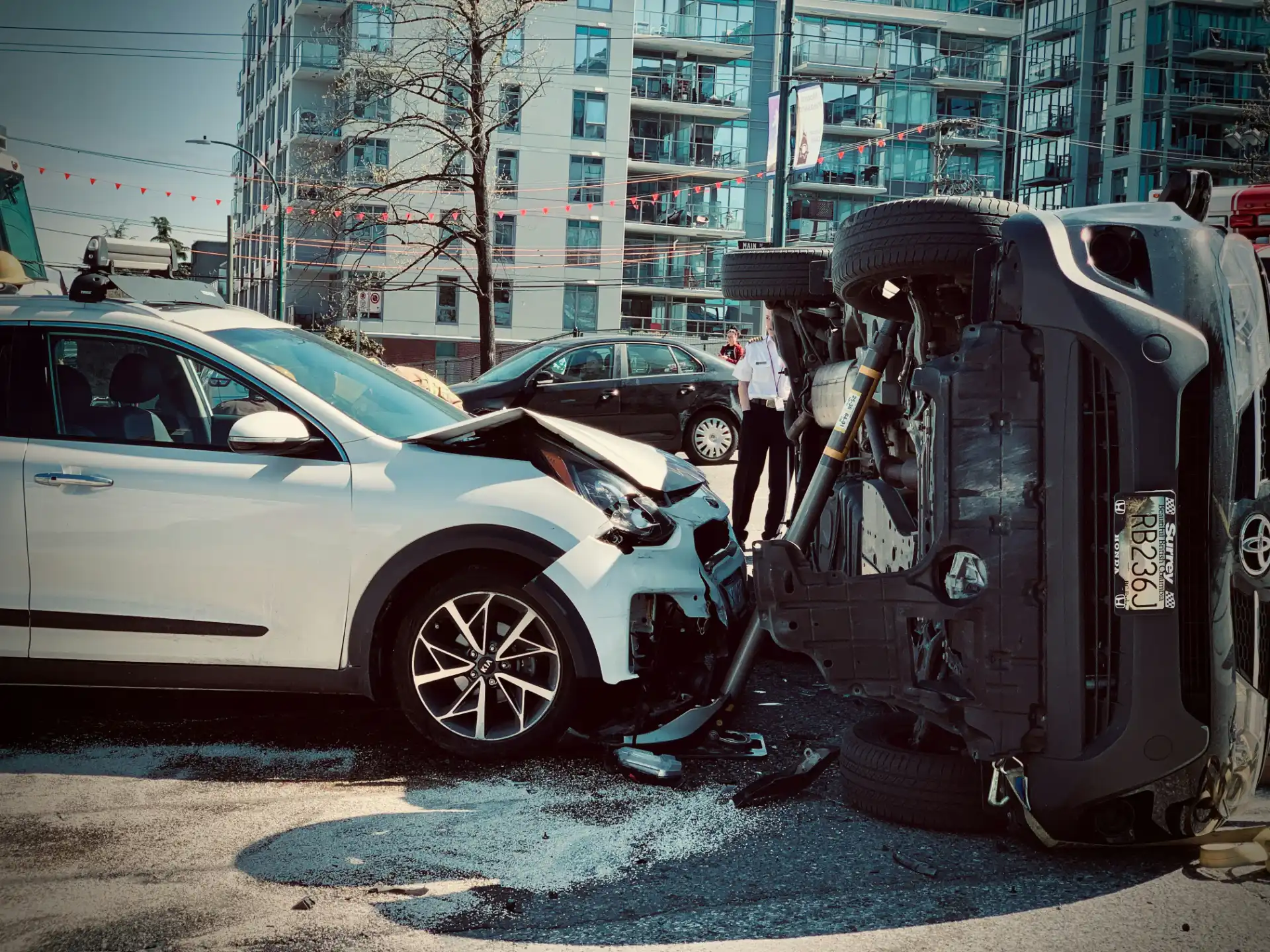
In some cases, liability may be shared between drivers. This is known as comparative fault, where each party is assigned a percentage of responsibility.
For example, if the rear driver was speeding but the front driver stopped suddenly, both may share fault. Compensation may then be adjusted accordingly.
Final Thoughts
Rear-end accident liability is often straightforward, but exceptions can make cases more complex. Understanding your rights and responsibilities can help you navigate insurance claims and legal proceedings more effectively.
By staying alert and maintaining a safe following distance, you can reduce your risk of being involved in a rear-end collision.
For official safety guidelines, visit the National Highway Traffic Safety Administration.